
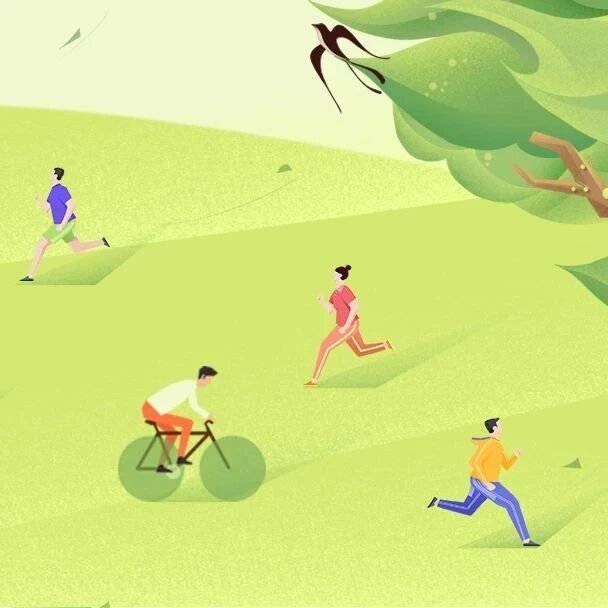
In the beautiful spring season, more and more people are going outdoors, running, cycling, or outing, feeling the breath of spring during exercise, and experiencing physical and mental relaxation and pleasure in the tranquility of nature. Today, we will introduce to you three popular and interesting spring outdoor sports. Let’s see if they are your favorite.
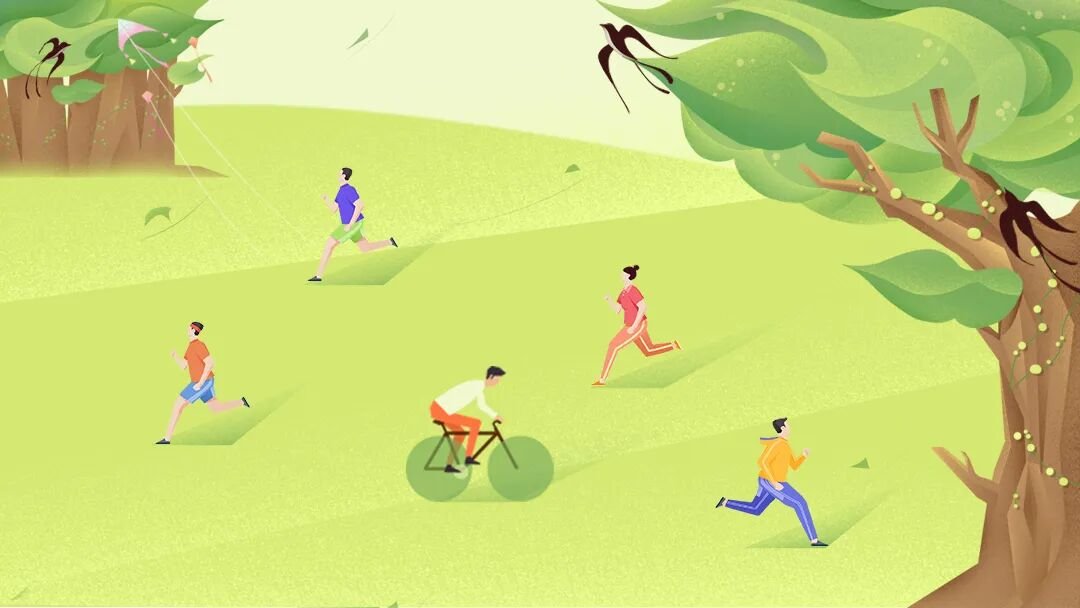
According to relevant surveys and studies, cycling has become one of the most popular modes of travel among Chinese residents. As an aerobic exercise, cycling can effectively improve our cardiopulmonary function. If you ride more than three times a week, each time for about 30 to 40 minutes, and keep your heart rate at 100 to 110 beats per minute, you can also achieve a good weight loss effect. In addition, cycling can also be a good way to exercise the muscle strength and flexibility of the lower limbs, and it will cause less wear and tear on the knees.
For those who are just getting started, it is recommended to try to choose relatively flat routes within 20km, such as city lakes, coastal avenues or wide and flat urban planning cycling lanes. After riding, remember to spend 10 to 15 minutes stretching your buttocks and leg muscles, which can more effectively relieve body fatigue and muscle tension after exercise.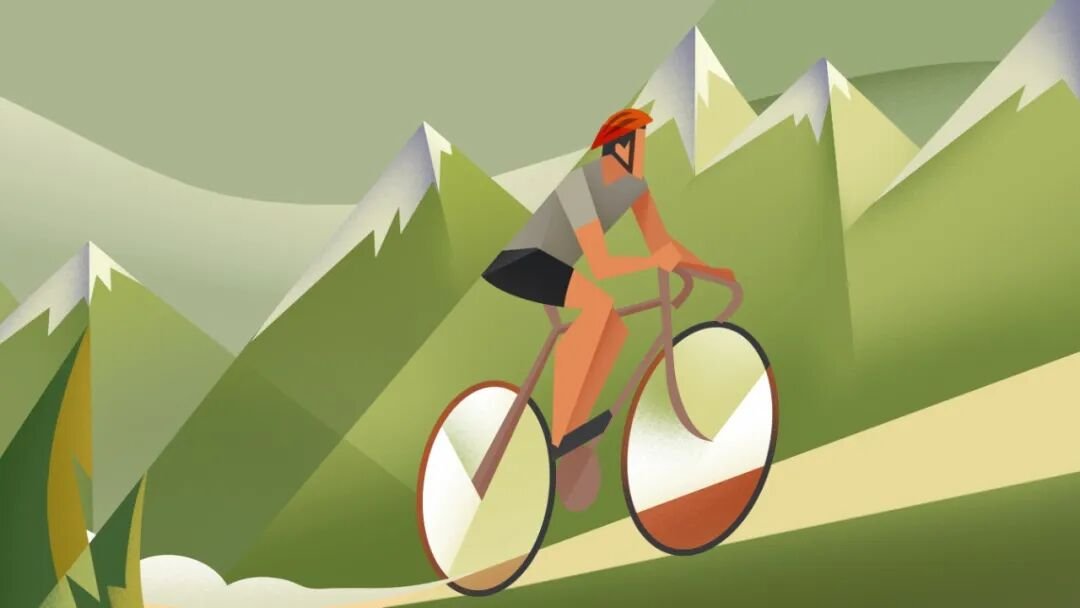
For most friends, mountaineering is an outdoor sport that requires almost no learning costs. Just prepare equipment supplies and route planning, choose a good weather, and make an appointment with a few relatives and friends to get going. For novices, it is recommended to start the experience by ascending 500m. Before climbing a mountain, you need to fully stretch so that your joints, muscles, ligaments, etc. can be well warmed up. When going down the mountain, be sure to control your speed and avoid running, jumping, or rushing. These actions can easily cause serious damage to your knees. The correct way to go down the mountain is to shift the center of gravity back and slightly lower it, which can buffer the speed of going down the mountain in a zigzag shape.
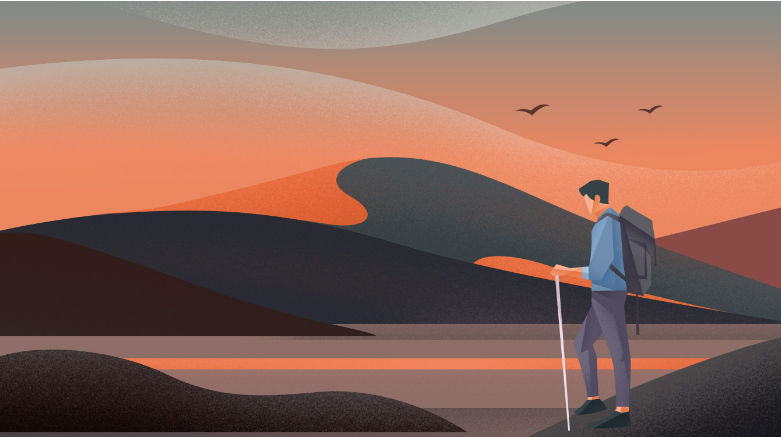
As for sports equipment, it is recommended to wear comfortable sports shoes, choose clothes that are easy to absorb and wick away sweat, and pay attention to sun protection. If you go hiking for too long, you also need to pay attention to additional protection of your knees and ankles. You can wear knee pads and ankle pads to enhance support for your joints. For long and steep downhill journeys, you can also prepare trekking poles to help. At the same time, you need to prepare adequate hydration and energy supplies, such as water and electrolyte drinks, as well as energy bars, candies, etc. Also note that it is best not to carry more than a quarter of your body weight. Although mountain climbing can effectively relieve mental stress and make people feel happy, it is not recommended for those who already have knee joint discomfort or injury. You can try swimming, rowing and other projects that have a relatively gentle impact on the knee joint.
When it comes to outdoor sports, how can we miss running? The benefits of running are numerous. In addition to improving cardiopulmonary function and improving immunity, running is also very beneficial in preventing chronic diseases. Research in the Journal of the Overseas Cardiology Society shows that long-term running can effectively protect blood vessels and reduce the risk of arteriosclerosis. In addition, running can give people a happy “peak experience”. A study in the international authoritative journal “Cerebral Cortex” found that after 30 minutes of running, the combination of opioids and their receptors in the runner’s brain becomes more active, resulting in a strong sense of happiness, similar to the happiness after eating a large amount of high-fat and high-sugar food.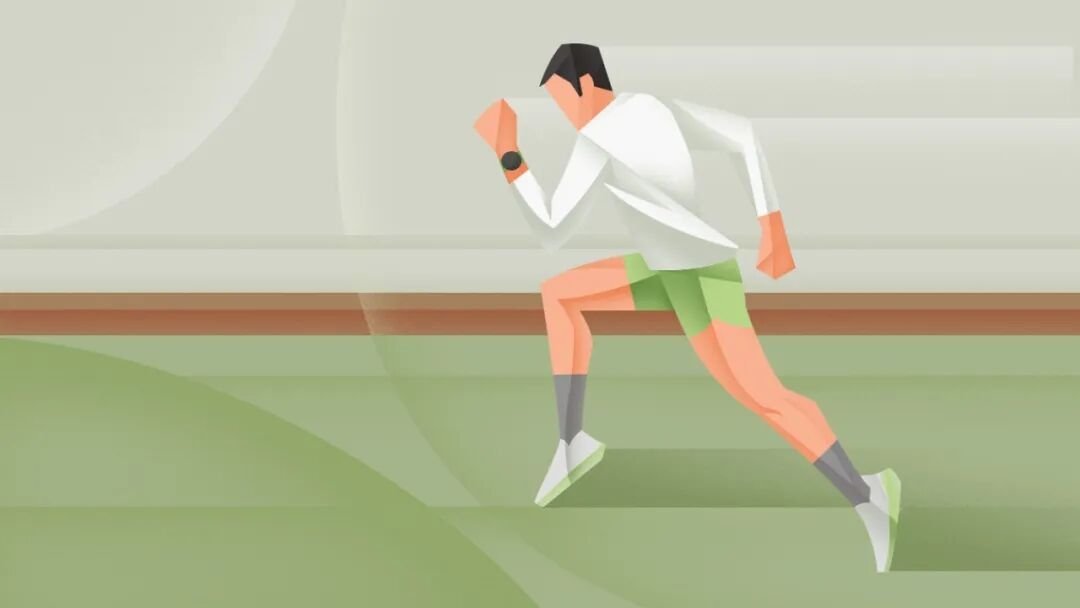
Although running is good, you should also pay attention to the following points to avoid sports injuries:
• Fully warming up before running can put the body into a better state of motion and relieve problems such as muscle soreness and poor joint movement that may be caused by exercise; • Don’t blindly pursue speed when running, because this may put pressure on the body. It is recommended to combine 80% low-intensity training, 10% medium-intensity training and 10% high-intensity training to improve step by step; • Stretching after running can quickly transition muscles from a tense and contracted state to a relaxed and relaxed state, which is helpful to eliminate fatigue and maintain muscle elasticity.

If you want to add more fun to running, you might as well try “City Run·Roaming Shanghai” on Huawei Sports Health APP. Follow the dynamic and energetic music and interesting explanations to travel through the streets of Shanghai, experience the different customs and customs, and easily complete the 21-minute running training.