

点击蓝字 关注我们

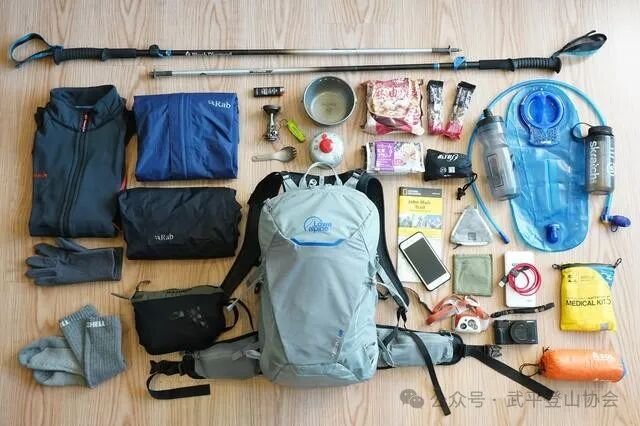 Entry-level trekking equipment list
Good equipment can bring you all kinds of unimaginable conveniences during activities.
Therefore, what equipment to choose and how to choose equipment is a question we should consider.
Below is a list of basic equipment for hiking activities, including clothing and gear.
Choose appropriate equipment according to your travel plan.
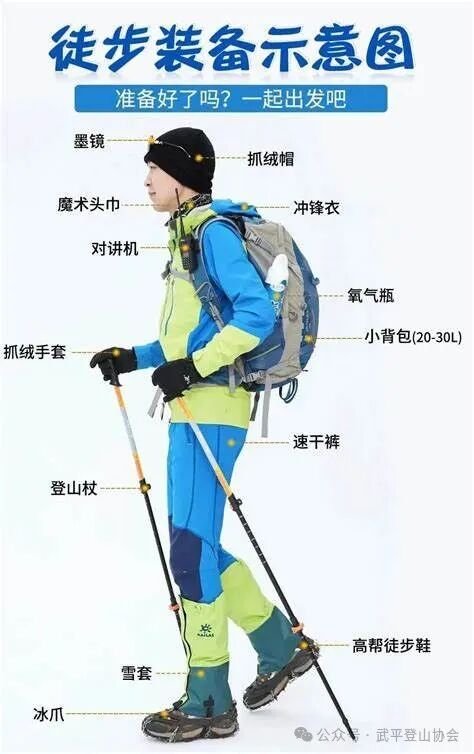
穿着用品篇:
一、服装篇
1、冲锋衣裤(户外活动必备,防风、防水、透气、耐磨……)
2、抓绒衣(主要是防风、保暖)
3、排汗内衣(户外运动后保持身体干燥)
4、速干衣裤(夏天出行的必备,裤管、袖管最好是可以脱卸的)
5、羽绒衣裤(冬天出行或者去高原地带的保暖必备)
6、其他个人衣物(一次性内裤、汗衫T恤……)
二、鞋袜篇
1、徒步登山鞋(适应性强、耐磨、防水、最好是中高帮的,可保护脚踝)
2、轻便户外运动休闲鞋(适合一般的郊外或短途活动,或开车时穿)
3、运动凉鞋或者溯溪鞋(可当拖鞋穿,溯溪也可直接穿)
4、排汗袜子(排汗的效果好一些,可排脚汗,冬天可防冻伤)
5、普通运动袜(棉的、穿着舒服就行)
6、雪套(在雪地或者泥泞路段很管用)
三、配件篇
1、遮阳帽(圆边的、棒球帽式的、随便喜好,能挡太阳就行)
2、抓绒帽(主要是保暖)
3、薄手套(主要为了活动方便,比如可以拍照等用处)
4、厚手套(主要是保暖的功效)
5、眼镜(运动型的更好一点,主要功能是遮阳,防紫外线)
Clothing and Accessories Section:
I. Clothing
- Hardshell Jacket and Pants (essential for outdoor activities, windproof, waterproof, breathable, and abrasion-resistant…)
- Fleece Jacket (mainly for windproofing and warmth)
- Moisture-wicking Underwear (keeps the body dry after outdoor activities)
- Quick-dry Clothing (essential for summer outings, pants and sleeves are preferably detachable)
- Down Jacket and Pants (essential for warmth during winter outings or trips to high-altitude areas)
- Other Personal Clothing (disposable underwear, tank tops, T-shirts…)
II. Footwear and Socks
- Hiking Boots (adaptable, abrasion-resistant, waterproof, preferably mid-high cut to protect the ankles)
- Lightweight Outdoor Sports and Casual Shoes (suitable for general郊外 or short-distance activities, or for driving)
- Sports Sandals or Water Shoes (can be worn as slippers, can be worn directly for stream trekking)
- Moisture-wicking Socks (better at wicking sweat, can prevent frostbite in winter)
- Regular Sports Socks (cotton, comfortable to wear)
- Gaiters (very useful in snowy or muddy areas)
III. Accessories
- Sun Hat (any style, as long as it can block the sun, such as wide-brimmed or baseball cap style)
- Fleece Hat (mainly for warmth)
- Thin Gloves (mainly for convenience, such as for taking photos)
- Thick Gloves (mainly for warmth)
- Sunglasses (sports type is better, mainly for shading and UV protection)
Equipment Section:
I. Backpacks
- Large Backpack (essential for short-term camping or long-distance trekking, preferably comfortable to carry and able to bear weight, 45-80L)
- Small Backpack (for short or long-distance backup, with some carrying capacity, 15-30L)
- Waist Bag or Sling Bag (for carrying small personal items during long trips, preferably the type that can hold a water bottle)
- Camera Bag (according to personal needs, a sling type is more convenient for accessing lenses)
II. Camping
- Sleeping Bag (for long distances, it’s best to bring a compact down sleeping bag to save space, and choose according to seasonal needs)
- Sleeping Bag Liner (for long-distance travel without camping, just bring a fleece or cotton sleeping bag liner for cleanliness)
- Tent (for general camping, a regular waterproof and windproof tent is enough, for long distances, it’s recommended to bring a compact and lightweight tent)
- Ground Mat (a regular one allows you to sit or lie down anywhere, an inflatable mat provides more comfort)
- Aluminum Film Ground Sheet (light and convenient to carry, can also be used as a picnic mat)
III. Lighting
- Headlamp (allows you to keep your hands free, very convenient)
- Flashlight (backup lighting)
- Camp Light (used in the campsite or inside the tent, very effective)
- Windproof Lighter and Waterproof Matches (quite useful, good for emergency lighting)
IV. Cooking Utensils
- Stove (allows you to eat hot food in the wild)
- Gas Canister (used with the stove head, pay attention to safety during transportation)
- Cookware Set (with a stove, you can’t do without pots, for cooking rice, soup, noodles, frying eggs, etc.)
- Steel Cup (eco-friendly, can be used for drinking anything, can also be used as a wash cup in the morning)
- BBQ Grill (can be carried for self-driving activities)
V. Water Vessels
- Water Bottle (effective in preventing corrosion, with a cool color)
- Water Bladder (very useful for wilderness trekking or bicycle travel)
- Insulated Water Bottle (when going out in winter, a sip of hot water is a pleasure)
VI. Communication
- Mobile Phone (the most commonly used contact method, signal is crucial, often useless in the wild)
- Walkie-talkie (very useful equipment in team activities, for communication back and forth, also very practical for shopping within a certain range)
- GPS (Global Positioning System, a professional toy, can help with positioning, route planning, and preventing getting lost)
- Survival Whistle (convenient to carry, can also be used as one of
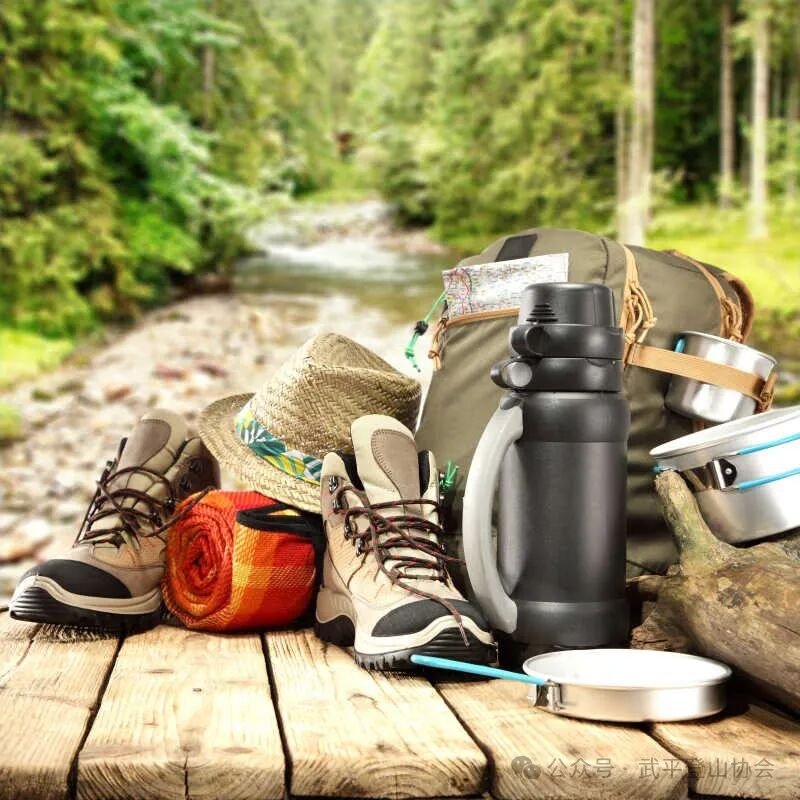
Precautions for Buying Outdoor Equipment: Purchase only when needed, do not buy too early to avoid occupying space in your home and spending money, with the possibility of waste. Only consider relevant equipment after determining the type of activities you regularly participate in. For activities you often participate in, list the equipment inventory. Give priority to essential or safety-critical equipment. Do not rush to purchase equipment that is not fully necessary. Equipment with multiple functions that can meet the needs of various types of activities or multiple needs of the same activity has priority for purchase. For the same or similar equipment, compare the performance through physical store examination and experience, then compare the prices of physical stores and online stores. For equipment that affects personal safety, always prioritize reliability as the first principle, never go for cheap options. If conditions allow, have a backup.