
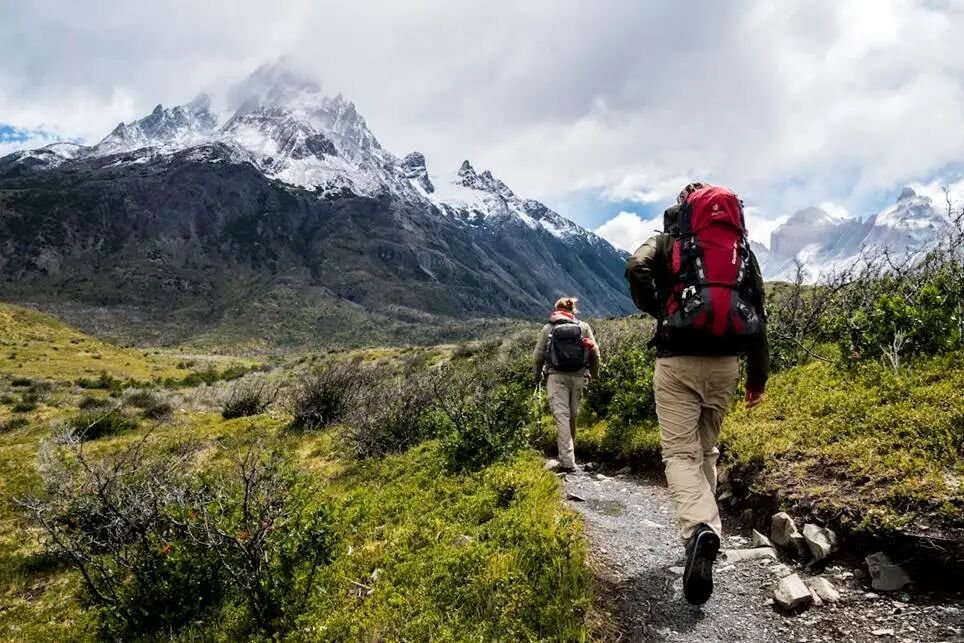
A complete guide to outdoor hiking precautions for safe travel · Revere nature · Happy hiking Preface Outdoor hiking is a dialogue with the mountains. Shenzhen Shanying Outdoor Club always advocates the concept of “safety first, happy travels”. Full preparation before every departure is the greatest responsibility for yourself and your teammates. This article systematically sorts out the core precautions for outdoor hiking from the four dimensions of travel preparation, en route safety, environmentally friendly travel, and emergency response, to help every mountaineer return safely. 1. Full preparation before travel 1. Equipment inspection Two days before departure, check the equipment item by item according to the list to ensure that nothing goes wrong: ● Backpack: The capacity is recommended to be above 30L, the carrying system fits the shoulder, and comes with a rain cover ● Clothing: quick-drying clothes and pants + jacket (the weather in mountainous areas is changeable), cotton clothing is prohibited ●

2. Route planning and weather analysis: Check the topographic map, cumulative climb, distance and estimated duration of the destination in advance, use “Two Steps”, “Six Feet” and other apps to download offline tracks, and inform family or friends of the itinerary plan. Pay close attention to the weather forecast within 72 hours before departure, paying special attention to the following indicators: ● Temperature range: High daytime temperature and low temperature at night, routes with large temperature differences require a warm layer ● Rainfall probability: Heavy rain or thunderstorms must be canceled or rescheduled, do not leave your trip by chance ● Wind level: Strong winds exceeding level 5, the risk of high-altitude roads increases ● Visibility: Fog or sandy weather reduces the visual range, and the risk of getting lost increases significantly ⚠️ It is absolutely forbidden to enter the mountains during thunderstorms! Ridges, mountaintops, and isolated trees are all high-risk areas for lightning strike
1. Rhythm control and physical fitness management
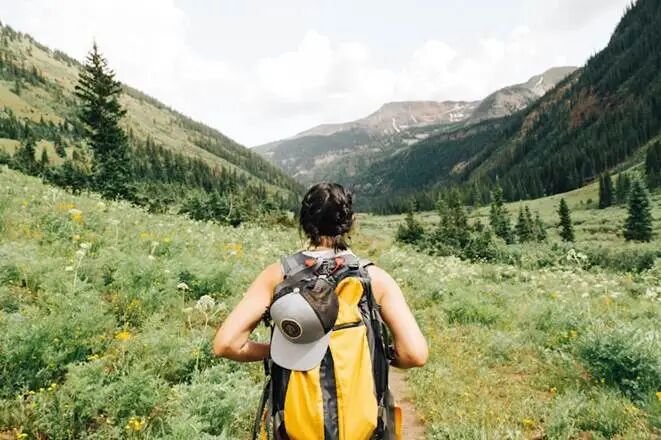
● Maintain the “pace of conversation”: Being able to have a normal conversation means that the intensity is moderate, and once you are panting, slow down immediately.
● Take a break of 5-10 minutes every 50-60 minutes, and extend the rest time appropriately after a long slope
● Avoid sudden sprints or jumps, protect the knee joints, and walk uphill in a’z’ shape to reduce the burden
●If you feel unwell (dizziness, chest tightness, weakness of limbs), rest in place immediately, and do not push hard.
2. Keep formation and communication smooth
● The team leader will be postponed, and experienced team members will be arranged in the middle of the team to gather to avoid orders.
● The front and rear team members are kept within sight or sound range, and there is no signal. Please agree on the meeting point in advance.
● The mobile phone remains fully charged, carry a power bank, and turn on airplane mode to save power if necessary
● It is particularly important to use walkie-talkies to keep in touch in signal blind spots
3. Terrain recognition and path selection
Strictly follow the marked path to walk, do not take shortcuts, and do not open up new roads-not only to protect the ecology, but also to avoid falling into unknown dangerous areas such as cliffs and swamps.When encountering a fork in the road and uncertain direction, give priority to returning to the previous confirmation point, and avoid blindly exploring.
3. Environmentally friendly travel: Leave No Trace (Leave No Trace)
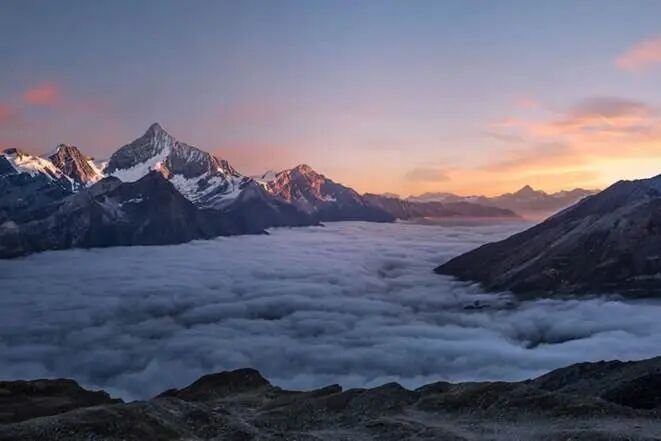
The mountains and fields leave no trace, and they are the best gift we leave to the latecomers.Follow the seven principles of LNT:
● Plan and prepare in advance: reduce the environmental damage caused by temporary decisions
● Walk or camp on hard ground to avoid damaging vegetation
● Properly dispose of garbage and bring all waste down the mountain, including peel and food residues
● Maintain the original style, do not portray or move rocks or plants
● Be cautious when using fire in the wild, give priority to the use of stoves, and make sure that the fire is completely extinguished when you leave.
● Protect wild animals and plants, leaving only footprints and not taking away any natural objects
● Respect other hikers and maintain quiet and courteous passage etiquette
️️ Never discard plastic packaging at will in the wild!It takes hundreds of years for a plastic bag to decompose in nature and can threaten the lives of wild animals.
4. Emergency response and rescue
1. Must-have list of first aid kits
● Elastic bandages, triangle scarves, sterile gauze, band-aids (hemostatic bandage)
●Iodophor cotton pads, alcohol wipes (wound disinfection)
● Ageratum Zhengqi Water/ten drops of water (to prevent heatstroke)
● Ibuprofen or acetaminophen (analgesic and antipyretic)
● Personal special medicines (anti-allergic, antihypertensive, etc.)
● Survival post (send a distress signal when you get lost)
● Aluminum film insulation blanket (to keep warm and prevent temperature loss)
2. Coping principles for common accidents
●Heatstroke: Immediately transfer to a cool place, untie your clothes to cool down, replenish water and salt, and seek medical attention in severe cases.
●Sprains/fractures: stop moving, fix the injured area, apply ice to reduce swelling, and do not walk forcibly
●Get lost: stay calm, use the track APP to return, whistle or shout for help, and wait in place
● Poisonous insect/snake bites: keep calm, the affected limb is lower than the heart, do not take drugs by mouth, and seek medical attention as soon as possible.
️️ If you encounter serious injuries or life-threatening injuries, please call 120 immediately and rescue as much as you can while ensuring your own safety.
Conclusion
The charm of the outdoors lies in its coexistence of unknowns and challenges.Being fully prepared is respect for the mountains and the countryside, as well as responsibility for yourself and your family.Shenzhen Shanying Outdoor Club advocates: Every time you set off, you will be in awe; every time you return, you will be full of memories.May every mountain friend be able to travel in the mountains and fields without trace and safely!