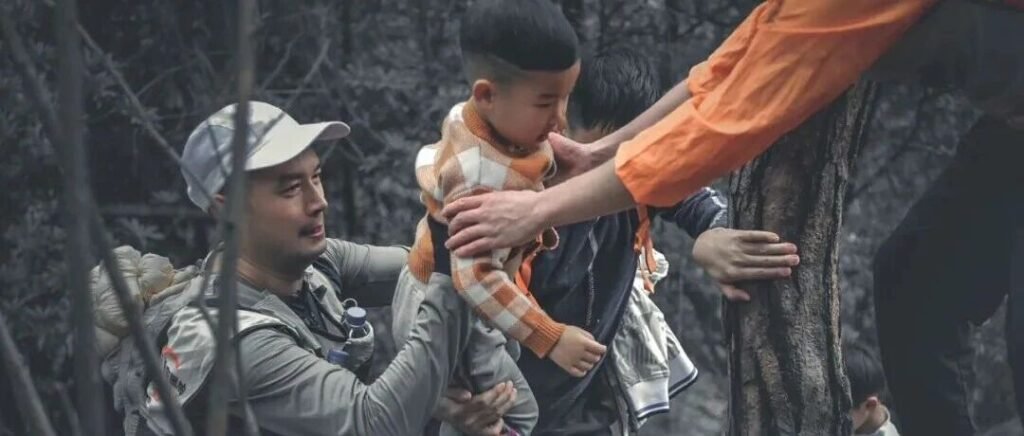
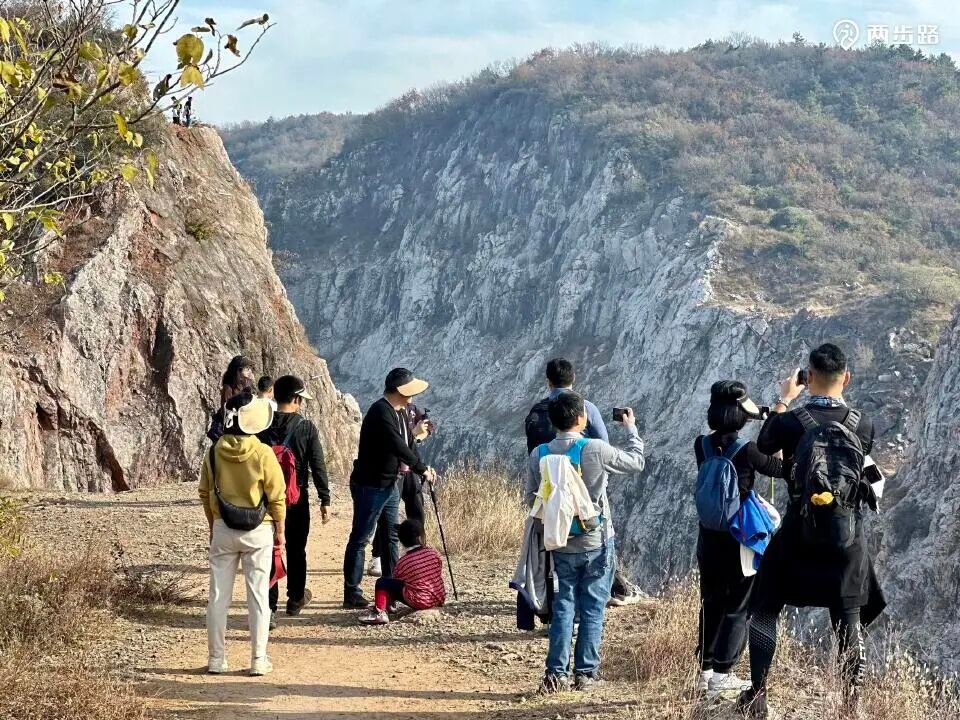
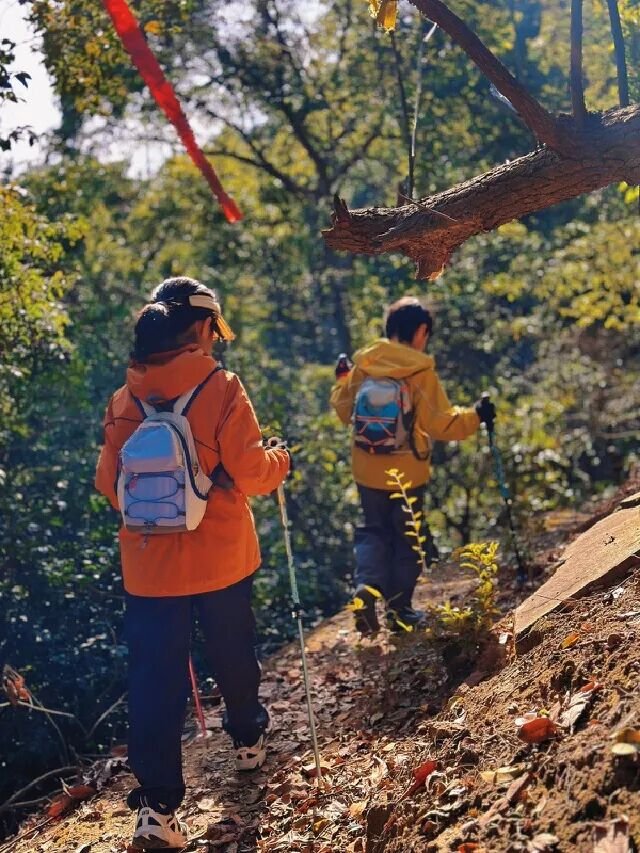
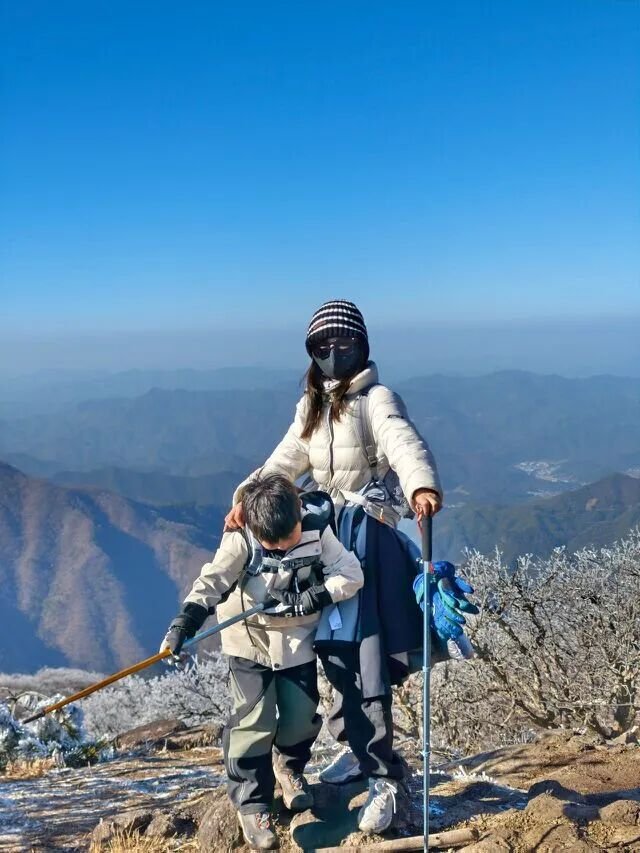
Nature is not an elective course, but the backdrop of childhood. The hustle and bustle of the city, the anxiety of tutoring classes, and the endless “chicken parenting messages… The urban environment filters out too much information and provides too many ready-made, packaged answers. But the wilderness is different; it is direct and candid, like a natural book spread open!the true meaning of hiking with my kids!
e is not an elective course, but the backdrop of childhood. The hustle and bustle of the city, the anxiety of tutoring classes, and the endless “chicken parenting messages… The urban environment filters out too much information and provides too many ready-made, packaged answers. But the wilderness is different; it is direct and candid, like a natural book spread open!
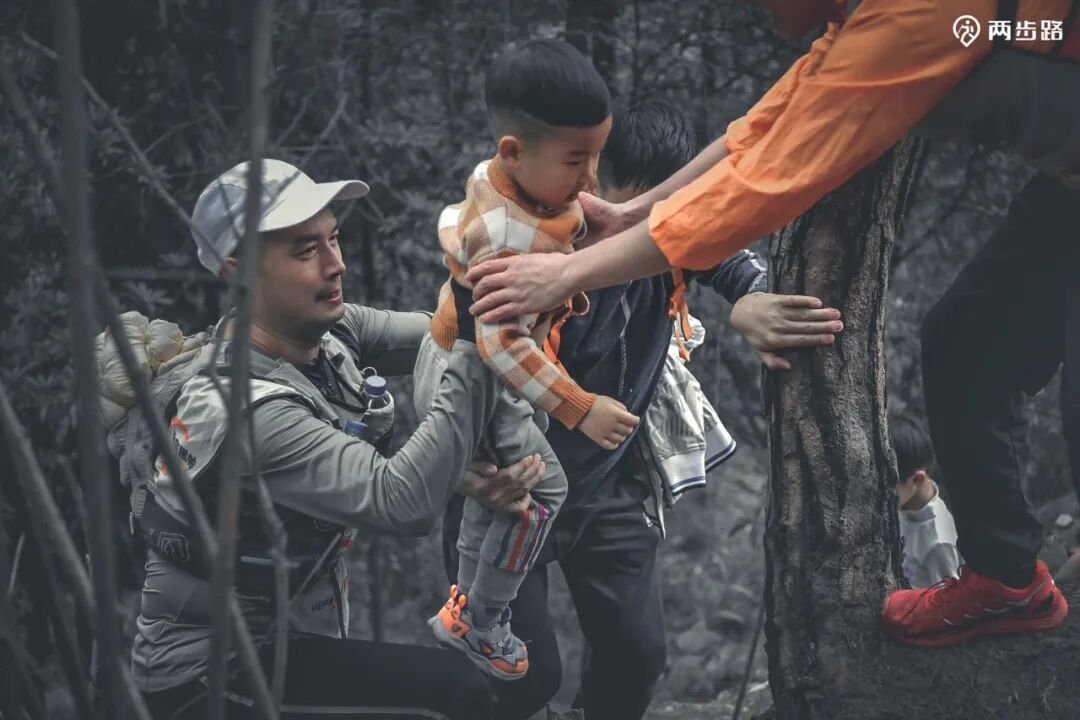
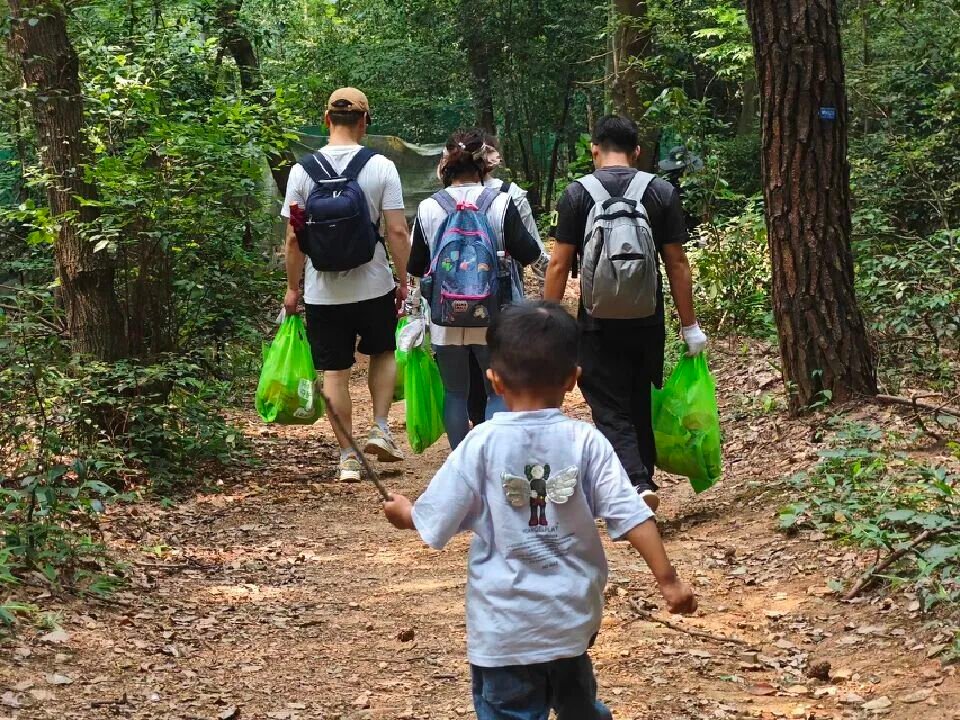
photo by 黑帕
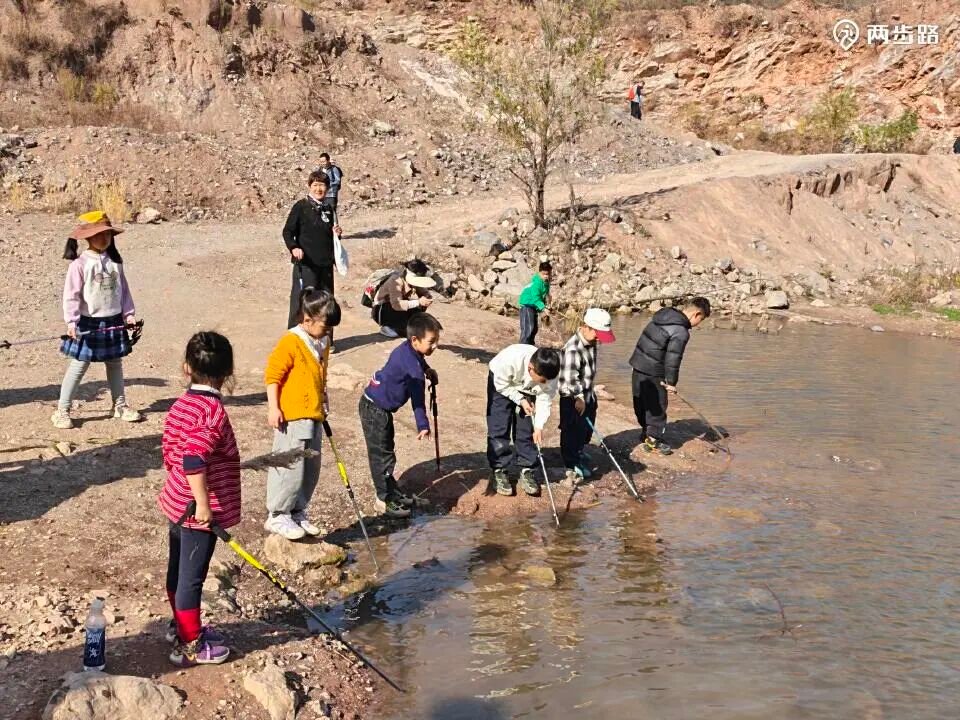
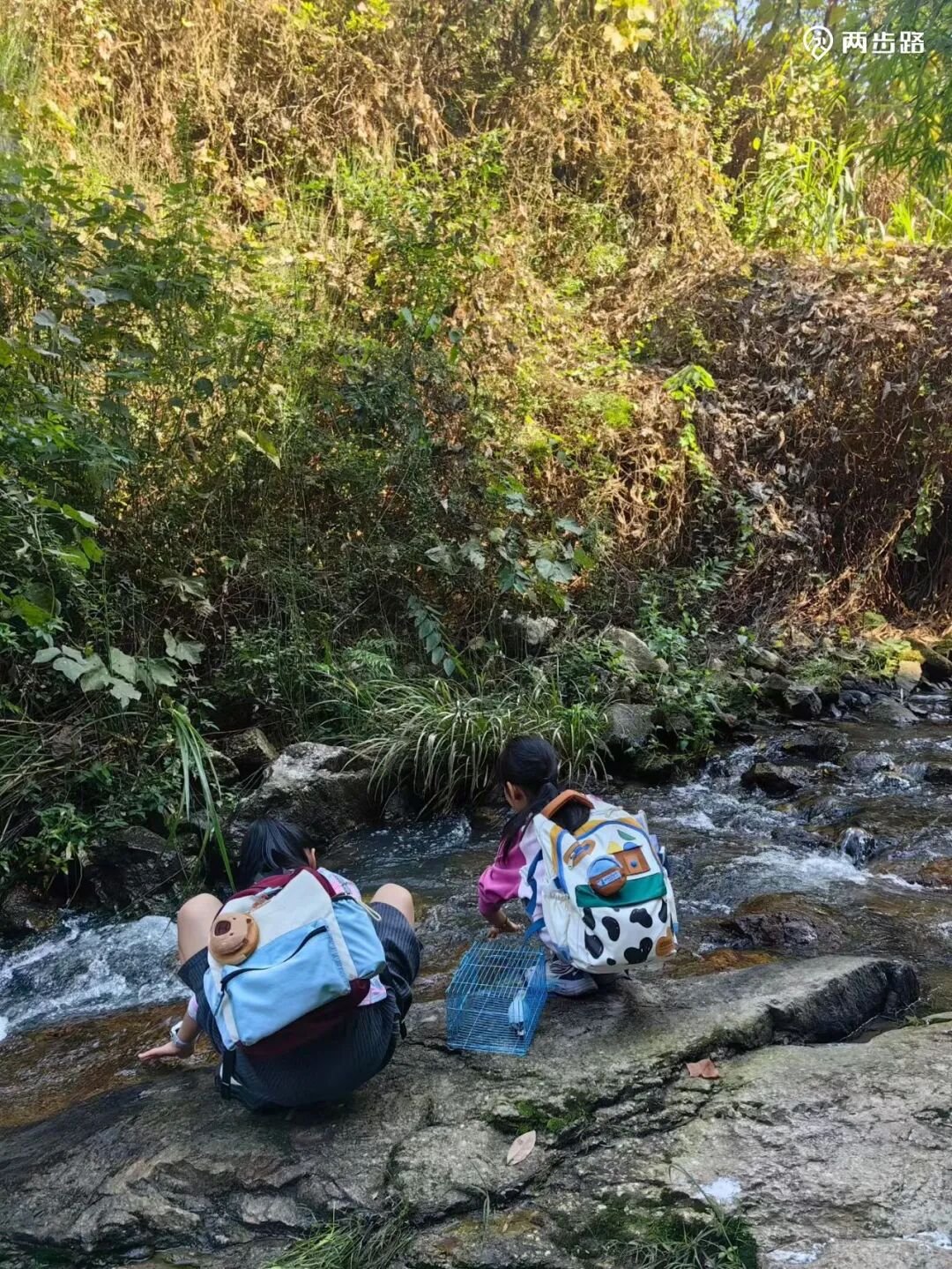
photo by 捅了马蜂窝
Children who were outdoors for 2 hours a day had a significantly lower incidence of myopia. Natural light helps the retina to release dopamine and inhibit the lengthening of the eye axis. In the natural environment, the performance of the walking attention test is increased by 20%. For children with hyperactivity tendency, the “soft charm” of the natural environment is gentler and more effective than drugs.
Nature is the greatest playground, and hiking is a form of walking education. It not only broadens your horizons but also allows you to experience the landscape step by step, teaching you perseverance and the courage to push beyond your limits.
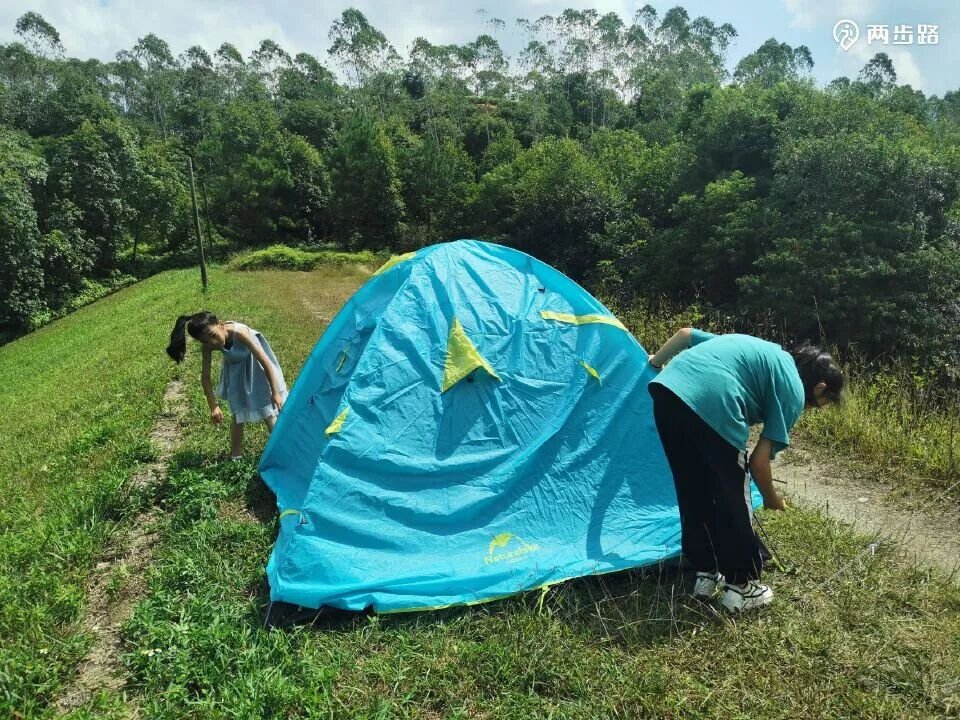
photo by 良友哥
Promote physical development, not just exercise. Rough terrain trains children’s balance, increases muscle and cardiac metabolism, and boosts their immunity. It also promotes the synthesis of Vitamin D, which is crucial for bone development and the immune system. A study in The Journal of Pediatrics indicates that over 50% of children are deficient in Vitamin D.
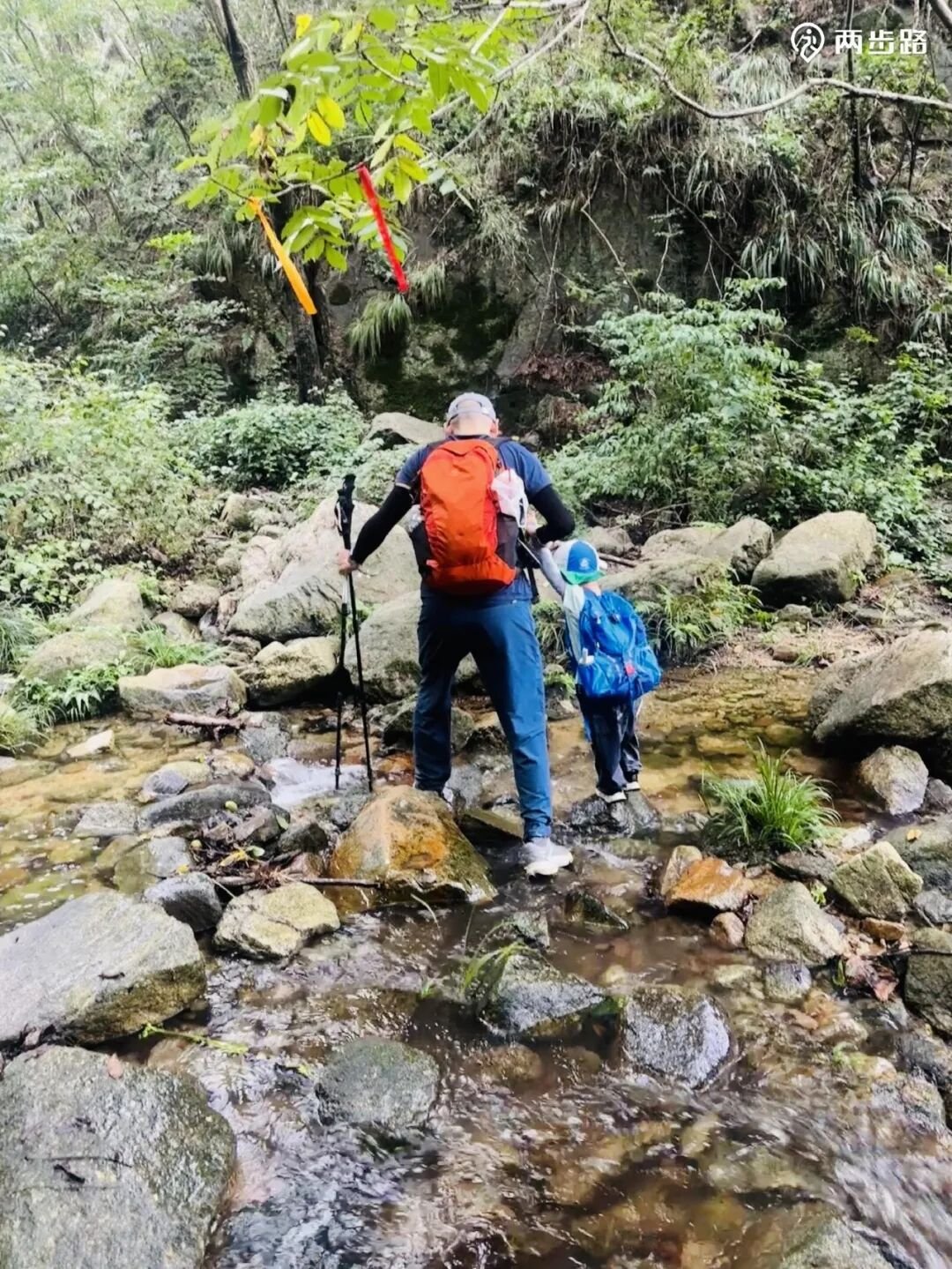
photo by 曾小妹
Enhancing Children’s Resilience to Setbacks Hiking often requires children to overcome certain difficulties, such as fatigue from long-distance walking and challenges posed by complex terrain. Through training in outdoor environments, children learn perseverance and endurance, gradually cultivating a tenacious character. When children reach their destination through their own efforts, they gain a strong sense of achievement, which boosts their self-confidence. Regular hiking fosters bravery and independence in children, encouraging them to actively explore the unknown.
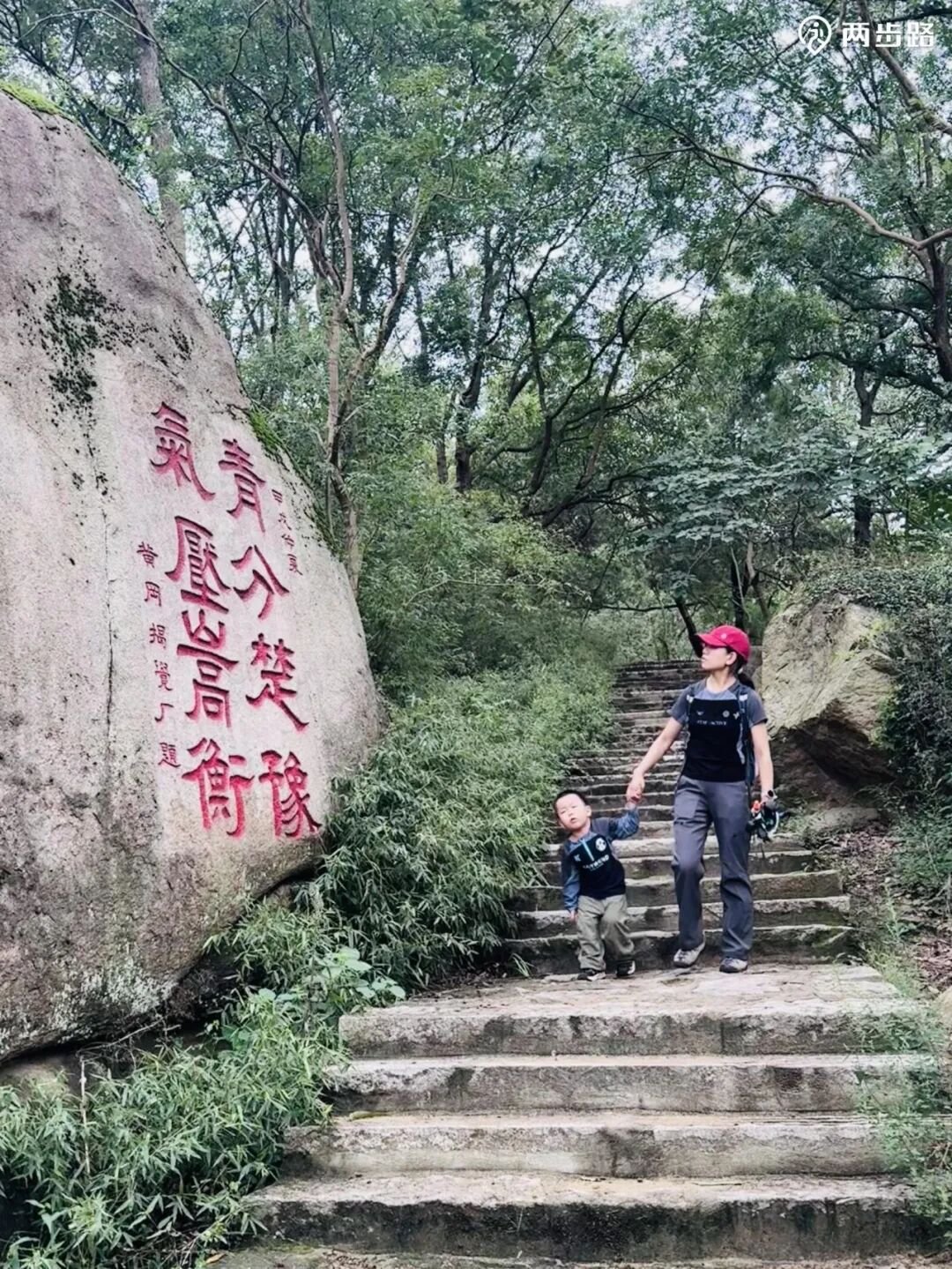
Creativity is naturally the best playground. The outdoors is a natural treasure trove of knowledge; research from the University of Kansas found that children who engaged in outdoor activities for five days scored 50% higher on creativity tests. During hikes, children can learn about various insects and plants, as well as understand weather changes and the formation of mountains and rivers, constantly engaging their senses to observe and discover.
Cultivating Children’s Observational and Concentration Skills During hikes, children are immersed in nature, allowing them to closely observe the forms of various plants and animals. They will discover details such as leaf veins, bird nests, and features that are usually hard to see, thereby cultivating keen observational skills. Every moment spent focusing on walking along a path enables children to block out external distractions and concentrate on their immediate experience, improving their concentration and attention stability.
户外环境里,孩子有更多机会与其他同龄人或不同年龄段的人互动。
通过参与户外的环保活动,如植树造林、清理海滩垃圾等,能够了解到人类与自然环境的相互关系,意识到保护环境是每个人的责任。
Parents also have more time and opportunities to interact with their children. Activities such as hiking, picnicking, and stargazing allow them to share joy and feelings, bridging the parent-child gap and building close relationships. ✓ Fun-oriented: Choose routes with shallow streams for playing in water, rocks for climbing, and small caves to explore (letting kids experience the fun of the wild; nature is the best playground!). ✓ Pay attention to elevation gain; consider initial climbs ≤300 meters for beginners and young children (progress gradually). ✓ High safety standards (established routes, not remote wilderness).
Tips: Before setting off, start with parks near your home and establish a weekly “Green Hour” to gradually build a family outdoor tradition. The most important thing is not how far you walk, but how much you experience together on the journey. Recommended are the “12 Hiking Routes for Kids in Shenzhen”. There are also many other cities like Shanghai’s Sheshan, Hangzhou’s Jiuxi, Tangwu Stone Cave, Changshu’s Yushan, and Suzhou’s Wangshan, where related track information can be found by searching keywords in the Two Roads app.
No step you take in life is ever wasted; every step matters. Perhaps in the long road of life in the future, children will encounter all kinds of “mountains”, Academic bottlenecks, complex interpersonal relationships, confused crossroads …… The road taken outdoors may not be remembered by children, but the sweat flowing through a mountain, the cowardice overcome, the moment of “I can” experienced, and the sense of security lifted by the family behind them…….